Transform Your Space: Lasting Changes for Busy Families

Updated: Aug 31

Creating a functional and inviting home can feel overwhelming, especially for busy families juggling work, school, and extracurricular activities. The good news is that transforming your space doesn’t have to be a daunting task. With a few strategic changes, you can create an environment that not only meets your family's needs but also enhances your daily life.
In this blog post, we will explore practical tips and ideas to help you make lasting changes in your home. From organizing clutter to creating multifunctional spaces, these strategies will empower you to transform your living environment into a haven for your family.
Understanding Your Family's Needs
Before diving into changes, it’s essential to assess your family’s specific needs. Every family is unique, and understanding what works for yours is the first step in creating a harmonious space. Here are some questions to consider:
What activities do you do together? Identify family traditions or activities that require space, such as game nights, movie marathons, or crafting.
What are the pain points? Are there areas in your home that feel cramped or cluttered? Recognizing these spots can help you prioritize changes.
How do you use your space? Consider how each room functions. Are there areas that could serve multiple purposes?
By answering these questions, you can tailor your approach to meet your family’s lifestyle.
Decluttering: The First Step to Transformation
Decluttering is often the most significant hurdle for busy families. However, it’s also one of the most impactful changes you can make. Here’s how to tackle it effectively:
Start Small
Begin with one room or even one area within a room. Trying to declutter your entire home at once can be overwhelming. Focus on a specific space, such as a closet or a corner of the living room.
Use the Four-Box Method
When decluttering, use four boxes labeled:
Keep: Items you use regularly and love.
Donate: Items in good condition that you no longer need.
Trash: Broken or unusable items.
Storage: Seasonal items or things you want to keep but don’t need immediately.
Set a Timer
Allocate a specific amount of time for decluttering. Even 15-30 minutes can lead to significant progress. This approach makes the task feel less daunting and more manageable.
Involve the Family
Get everyone involved in the decluttering process. Assign tasks based on age and ability. This not only speeds up the process but also teaches children valuable organizational skills.
Creating Multifunctional Spaces
With busy schedules, having spaces that serve multiple purposes is essential. Here are some ideas to create multifunctional areas in your home:
Living Room as a Family Hub
Transform your living room into a multifunctional space by incorporating:
Comfortable Seating: Invest in a sectional sofa that can accommodate family movie nights.
Storage Solutions: Use ottomans with hidden storage for blankets and games.
Flexible Furniture: Consider a coffee table that can double as a workspace for homework or crafts.
Kitchen as a Gathering Space
The kitchen is often the heart of the home. Make it a gathering space by:
Creating a Breakfast Nook: Add a small table and chairs for casual meals and conversations.
Incorporating a Family Calendar: Use a chalkboard or whiteboard to keep track of everyone’s schedules.
Designating a Homework Zone: Set up a small area with supplies for kids to do homework while you cook.
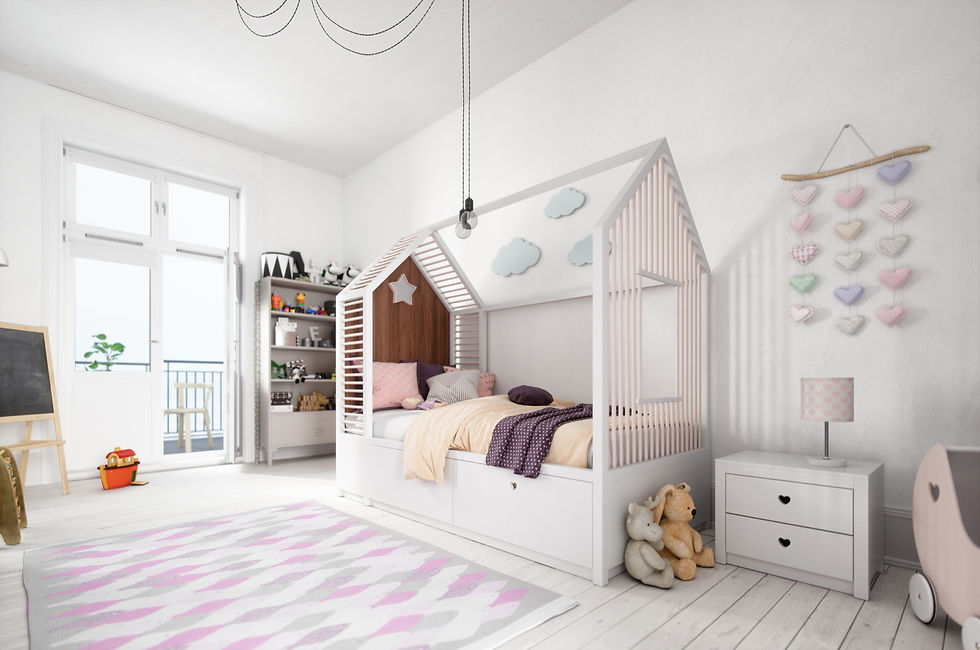
Bedroom Retreats
Bedrooms should be a sanctuary for rest. To maximize their potential:
Use Under-Bed Storage: Store seasonal clothing or extra bedding under the bed to free up closet space.
Create a Reading Nook: Add a comfortable chair and a small bookshelf for a cozy reading corner.
Incorporate Calming Colors: Use soft, neutral colors to create a peaceful atmosphere.
Organizing for Efficiency
Once you’ve decluttered and redefined your spaces, it’s time to organize. Here are some effective strategies:
Use Clear Storage Bins
Clear bins allow you to see what’s inside without opening each one. Label them for easy identification. This is particularly useful in playrooms or storage areas.
Implement a Daily Cleaning Routine
Establish a simple daily cleaning routine that involves everyone. For example:
Morning: Make beds and tidy up bedrooms.
Evening: Spend 10 minutes picking up toys and clutter before bedtime.
Create Zones
Designate specific areas for different activities. For example, have a craft zone in the living room, a reading corner in the bedroom, and a homework station in the kitchen. This helps everyone know where to find supplies and where to put things away.
Maintaining Your Transformed Space
Once you’ve made changes, it’s crucial to maintain your newly organized and personalized space. Here are some tips:
Regular Check-Ins
Schedule regular family meetings to discuss the state of your home. This can be a time to address any clutter that has accumulated or to reassess how well your spaces are working.
Seasonal Decluttering
Make it a tradition to declutter at the start of each season. This helps keep your home organized and allows you to reassess what you truly need.
Celebrate Your Space
Take time to appreciate the changes you’ve made. Host a family gathering or simply enjoy a quiet evening in your transformed space. Celebrating your efforts reinforces the importance of maintaining your home.
Conclusion
Transforming your space into a functional and inviting environment is achievable, even for busy families. By decluttering, creating multifunctional areas, organizing efficiently, and personalizing your home, you can create a sanctuary that meets your family’s needs.
Remember, the key to lasting change is consistency. Involve your family in the process, and make it a fun and rewarding experience. With these strategies, you can create a home that not only looks great but also supports your family’s lifestyle. Start today, and enjoy the benefits of a transformed space!


Comments